 American College of Emergency Physicians


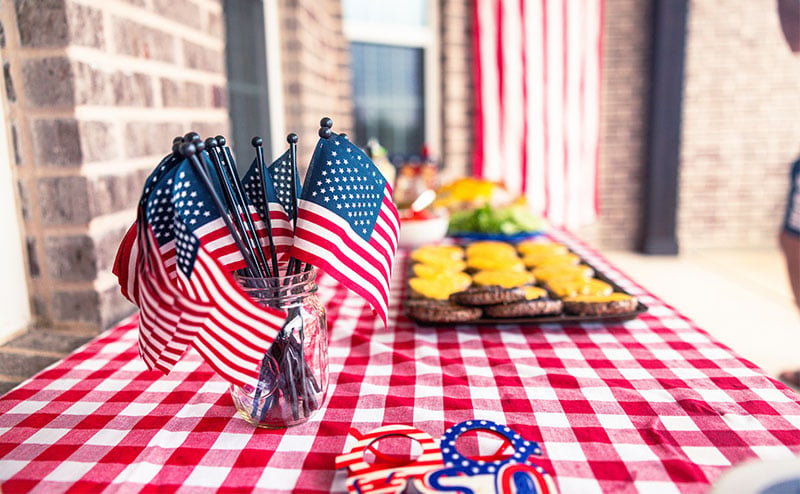
Emergency physicians urge prioritizing safety while enjoying Fourth of July fireworks, barbecues, and outdoor activities.
Every year around the Fourth of July emergency departments see an increase in preventable accidents and injuries, Celebrate responsibly to keep your holiday free of firework-related burns and injuries, heat stroke and other medical emergencies.
In 2025 approximately 13,000 people went to the emergency department with injuries from fireworks, according to the Consumer Product Safety Commission. Emergency physicians urge you to mind these firework safety tips:
- Leave fireworks to the pros. Attend public fireworks displays handled by professionals if possible.
- Keep a kid-free zone. Fireworks and sparklers are not toys. Children should not handle or be left unattended around fireworks.
- Ignite carefully. Read all the warnings and instructions before lighting anything flammable. Light only one firework at a time and quickly move away. Never light fireworks in a container or point fireworks at people. Alcohol and fireworks are a dangerous combination – do not drink alcohol while lighting fireworks.
- Discard safely. Make sure fireworks are completely done before attempting to handle them. Soak them in water and then throw them away. Placing dry fireworks in the trash can be a fire hazard.
If you are planning to celebrate outside, including visiting the pool, lake, or beach, keep these tips top of mind:
- Protect from the sun. Drink plenty of water. Wear sunscreen and reapply every two hours.
- Stay in the shade and wear lightweight clothes.
- Recognize the signs of heat illness and know when to seek medical attention.
- Swim safely. Watch carefully for signs of drowning, and if you see a swimmer in distress, call a lifeguard or 911 right away. You can save a life by learning how to perform CPR.
- Supervise kids. Watch children closely around water, even shallow or inflatable pools.
- Be cautious on boats. All boat passengers should wear well-fitting life jackets. Never drive a boat under the influence of alcohol, or in stormy or foggy weather.
The CDC estimates that each year, 48 million people get sick from foodborne illnesses. Take these precautions to avoid letting a trip to the emergency department spoil your cookout:
- Grill safely. Maintain and inspect grills before using them. Never grill indoors, in garages, or in tents.
- Cook thoroughly. Use a food thermometer to ensure your food reaches safe internal temperatures.
- Chill promptly. On sweltering summer days, keep raw and prepared foods in a cooler or refrigerator. When temperatures are above 90° F, foods left out can cause food poisoning in as little as one hour.